
"animal shelter"
400 article(s) found

Colombia Fine Coffee Colombia Coffee Flavor Characteristics Colombi
Colombia Coffee (Cafe de Colombia) is produced in Colombia and is one of the few single-origin coffees sold in the world under its name. In terms of quality, it has earned accolades that no other coffee can match. Colombia is more concerned with product development and production promotion than other producing countries. It is this, coupled with its superior geographical and climatic conditions, that makes Colombi
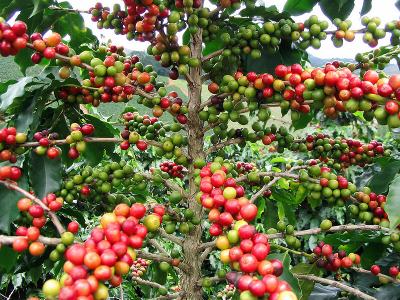
Fine coffee beans: 4 forms of Ethiopian coffee growing and producing
Growth and production patterns: There are four growth and production patterns in Ethiopia, from which 95% of coffee is produced. 1. Forest In Ethiopia's coffee-producing areas in the south and south-west, most of them are wild or planted under natural forests, which provide natural shade for coffee trees, but the resistance is slightly weak. This production system accounts for about

Nicaraguan Coffee Story Nicaraguan Coffee History Nicaraguan Coffee characteristics
Professional coffee knowledge exchange more information about coffee beans Please follow the coffee workshop (Wechat official account cafe_style) Coffee culture in Nicaragua today, coffee also supports 45334 families who own and operate small farms. These are important contributions for a country with a population of 6 million and an unemployment rate close to 50 per cent. 95% of the coffee species in Nicaragua

Four forms of growth and production of Ethiopian Coffee in Coffee producing area
Growth and production patterns: there are four growth production patterns in Ethiopia, and 95% of coffee is produced from these types or systems. 1. Forest grows in southern and southwestern Ethiopia, mostly wild or under natural forests. It provides natural shade for coffee trees, but the resistance is slightly weak. This production system accounts for about

Seven rules for making good coffee
● uses freshly roasted coffee beans, which can be stored for no longer than a week, preferably roasted half an hour ago, just like running a race requires a warm-up, and what you need is to be in a ready mood. Coffee beans, carefully baked, Napoli style, different temperature and humidity with different ovens, different stages with different temperatures; heat to

Boutique coffee Kona beans growing on the slopes of volcanoes
The quality of the fine Kona coffee in the growing environment is suitable for the suitable geographical location and climate. Coffee trees grow on the slopes of volcanoes, and their geographical location ensures the altitude needed for coffee to grow; the dark volcanic ash soil provides the necessary minerals for coffee. This is probably due to the fact that Kona Island is rich in volcanic black mud with moderate acidity, rich mineral content and water content.

Basic knowledge of all aspects of coffee
Linnaeus (Swedish naturalist) classifies coffee plants into the Rubiaceae family, such as gardenia. The great naturalist named it Coffea.

Kenya Coffee AA Base Andu Estate TOP Micro Batch Coffee Bean Flavor Description
Professional barista exchanges, please pay attention to coffee workshop (Weixin Official Accounts cafe_style) Kenya Coffee Kiandu Estate AA Top Kenya Kiandu estate AA Top Kiandu is quite close to Nyeri City. Its geographical location is in the central province of Kenya Coffee. Because Nyeri is surrounded by high altitude, it is located at the headland between Aberdare Mountains and Mount Kenya. The terrain is high.

A brief description of the flavor of washed Yerkaya Coffee
Professional coffee knowledge exchange more coffee bean information please follow the coffee workshop (Wechat official account cafe_style) in front of the street wash Yega Xuefei Alomo introduced Yega Xuefei is synonymous with fruity and floral coffee, clean and bright taste and lively acidity unforgettable. Yega Xuefei is an excellent producing area with many legends, and it is also one of the largest in the boutique coffee market in the past decade.

Seven Rules for Good Coffee Using Freshly Roasted Coffee Beans
● Use newly roasted coffee beans, store up to a week, preferably half an hour before roasting coffee beans just like a race needs to warm up, into a period of emotion, need, but also have a prepared mood. Coffee beans, carefully roasted, Naqura-style, different temperature and humidity with different ovens, different stages with different temperatures; heat
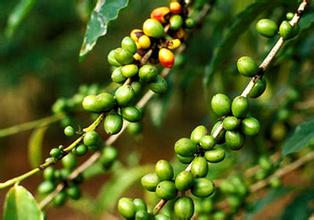
Introduction to the characteristic flavor of four forms of Ethiopian coffee beans grown and produced in Ethiopia coffee
Growth and production patterns: there are four growth production patterns in Ethiopia, and 95% of coffee is produced from these types or systems. 1. Forest grows in southern and southwestern Ethiopia, mostly wild or under natural forests. It provides natural shade for coffee trees, but the resistance is slightly weak. This production system accounts for about
Coffee Basics About Coffee Trees and Caffeine
Linnaeus classified coffee plants in the Rubiaceae family, e.g. Gardenia. The great naturalist named it Coffea. Although plants in the wild can grow to 10-12 metres tall, those in plantations are about 3 - 5 metres tall, except in Colombia, where few species exceed 2 metres. This makes farming and picking easier and cultivation more economical. leaves

High-quality Hawaiian Kona Coffee introduces the production area of Manoa Valley in Oahu.
The quality of the fine Kona coffee is suitable for the right geographical location and climate. Coffee trees grow on the slopes of volcanoes, and their geographical location ensures the altitude needed for coffee to grow; the dark volcanic ash soil provides the necessary minerals for coffee. This is probably due to the fact that Kona Island is rich in volcanic black mud with moderate acidity, rich mineral content and suitable water content. Parallel

Basic knowledge of all aspects of coffee
Linnaeus (Swedish naturalist) classifies coffee plants into the Rubiaceae family, such as gardenia. The great naturalist named it Coffea. Although wild plants can grow as high as 10-12 meters, the plantations are about 3 to 5 meters high, with the exception of Colombia, where tree species rarely exceed 2 meters. This makes farming and picking easier and more economical to cultivate. Leaves

Hawaiian Kona Coffee Flavor Taste Estate Introduction Hawaiian Fine Coffee Bean
Excellent quality Kona coffee is suitable for the right location and climate. Coffee trees grow on volcanic slopes, and their location ensures the altitude at which coffee grows; dark volcanic ash soils provide the minerals coffee needs. This is probably due to Kona's abundance of volcanic black mud, which is moderately acidic, mineral-rich, and contains the right amount of water. and

How to make good coffee seven rules for making good coffee
● uses freshly roasted coffee beans, which can be stored for no longer than a week, preferably roasted half an hour ago, just like running a race requires a warm-up, and what you need is to be in a ready mood. Coffee beans, carefully baked, Napoli style, different temperature and humidity with different ovens, different stages with different temperatures; heat to
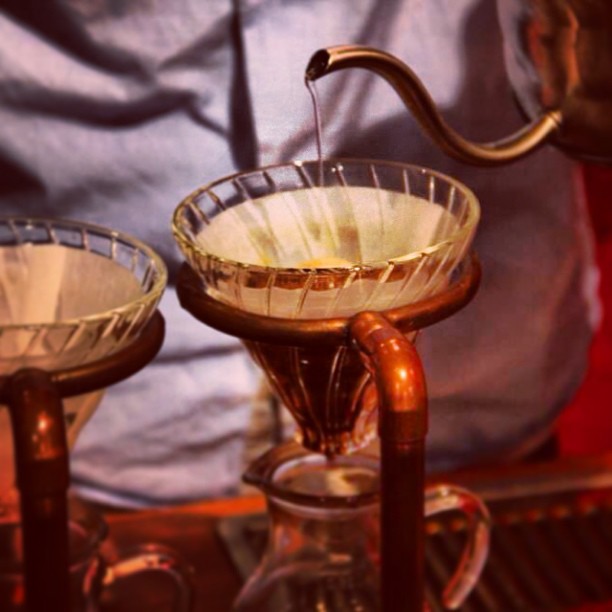
A comprehensive introduction to all aspects of coffee-coffee beginners must see the knowledge.
Linnaeus (Swedish naturalist) classifies coffee plants into the Rubiaceae family, such as gardenia. The great naturalist named it Coffea. Although wild plants can grow as high as 10-12 meters, the plantations are about 3 to 5 meters high, with the exception of Colombia, where tree species rarely exceed 2 meters. This makes farming and picking easier and more economical to cultivate. Leaves

Yunnan Kopi Luwak Jinqiu Manor Asian Sumatra Coffee Bean Plantation
Musk cat, also known as civet, fragrant cat, nine-section beaver, civet, civet, big cat. Their bodies are small and soft, and they look like cats, but their noses are long and even pointed, a bit like otters or beetles. Its fragrance is a valuable spice, and there are not many artificially farmed. This is the civet, the civet, 11000 Kopi Luwak, and it's hard to come by.

Basic knowledge of all aspects of coffee decaf coffee
Linnaeus (Swedish naturalist) classifies coffee plants into the Rubiaceae family, such as gardenia. The great naturalist named it Coffea. Although wild plants can grow as high as 10-12 meters, the plantations are about 3 to 5 meters high, with the exception of Colombia, where tree species rarely exceed 2 meters. This makes farming and picking easier and more economical to cultivate. Leaves

Introduction to Coffee growing Environment in Colombia
The suitable climate in Colombia provides a real natural pasture for coffee. Coffee trees in Colombia are mainly cultivated in the Andes, on steep slopes about 1300 meters above sea level, where the annual temperature is about 18 degrees Celsius, annual rainfall is 2000 to 3000 millimeters, latitude 1-11 15 north, longitude 72-78 west, and the specific range of elevation can exceed 2.